Key Points:
- Reverse osmosis is a specialized water purification system designed to remove a wide range of impurities from your home’s drinking water.
- Standard water filters use physical or chemical barriers to remove some particles, while reverse osmosis uses pressure and a special membrane to purify water more effectively.
- Installing a reverse osmosis system provides homeowners with great-tasting, pure drinking water.
Reverse Osmosis Basics Every Homeowner Should Know
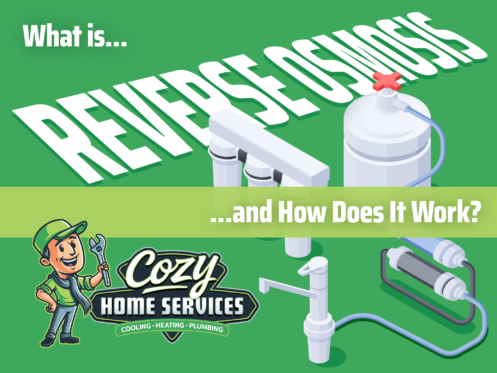
The city of Vacaville’s water system meets or exceeds state water quality standards, but some homeowners may notice that their water doesn’t smell or taste as good as it should. What is reverse osmosis, and how does it help improve drinking water? Reverse osmosis (RO) is a high-efficiency water purification method that uses a special semi-permeable membrane to separate and remove impurities from water.
Cozy Home Services Cooling, Heating, and Plumbing provides a range of reliable water purification services, including reverse osmosis systems, to keep your drinking water safe and healthy.
How a Reverse Osmosis System Works Step by Step
How does reverse osmosis work? This step-by-step guide explains how a reverse osmosis system works in action:
- Step one: A sediment filter traps visible particles such as sand, rust, and dirt, improving water clarity and protecting the more advanced, sensitive filtration stages.
- Step two: Water flows through a carbon block filter, capturing chlorine, volatile organic compounds (VOCs), and chemicals that affect taste and color, and protecting the RO membrane from degradation.
- Step three: Water travels through the RO membrane, a semi-permeable barrier that allows only water to pass while rejecting contaminants such as microbes, heavy metals, and salts under pressure, separating the water into two streams (purified permeate and concentrated reject).
- Step four: The final step removes residual odors or tastes from drinking water that meets strict purity standards.
What Does Reverse Osmosis Remove From Water?
A reverse osmosis water filtration system removes a variety of contaminants and impurities from water, including toxic and heavy metals like lead, arsenic, and mercury. It also removes the following impurities:
- Dissolved salts and minerals
- Pesticides, herbicides, and pharmaceuticals
- Chlorine and chloramine
- Forever chemicals like PFAs
- Sediment and suspended solids
- Microbes like viruses and bacteria
- Fluoride, nitrates, and sulfates
Reverse Osmosis vs. Standard Water Filters: What’s the Difference?
A standard and reverse osmosis filter system both purify water, but their mechanisms operate differently. A standard water filtration system uses physical or chemical barriers to trap particles. A reverse osmosis water filter uses pressure and a special membrane to separate and remove contaminants at a molecular level. Standard water filters operate passively, while reverse osmosis requires pumps and energy due to the high pressure involved, providing a more comprehensive solution that removes dissolved solids and tiny contaminants. 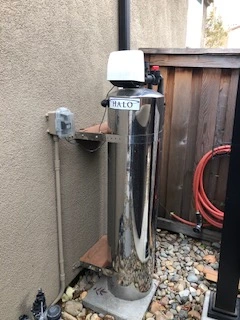
Reverse Osmosis vs. Water Softeners: Which Problem Are You Solving?
When comparing water softeners and reverse osmosis systems, it’s important to understand which option solves your specific problem. A water softener removes minerals such as calcium and magnesium from hard water, preventing scale buildup on appliances, fixtures, and plumbing. Reverse osmosis is for drinking water to remove potentially harmful contaminants from the water you consume. Even if you already have a water softener system, reverse osmosis is worth it to remove even more hard minerals from your drinking and cooking water.
The Pros and Cons of Reverse Osmosis for Homeowners
If you’re considering reverse osmosis installation in Vacaville, it’s important to weigh the pros and cons.
Pros
- The reverse osmosis process filters out heavy metals, chemicals, fluoride, PFAs, and microorganisms from your drinking water to provide a healthier household supply.
- RO improves the taste of bad-tasting tap water.
- Installing a reverse osmosis system reduces your need to buy bottled water, offering long-term savings.
- You get high-quality water for drinking, cooking, coffee, and ice.
Cons
- Reverse osmosis can waste between three and 10 gallons of water for every one gallon of purified water it produces.
- An RO system strips your water of beneficial minerals such as potassium and magnesium.
- An under-sink reverse osmosis system (the most common location) requires a tank to hold the purified water, which takes up under-sink storage space.
When Reverse Osmosis Makes Sense for Your Home
Here are some scenarios when reverse osmosis may make sense for your home:
- A water test shows high levels of dangerous contaminants such as arsenic, nitrates, VOCs, and PFAS.
- Your home has well water, which typically doesn’t receive municipal treatment.
- Your drinking water smells or tastes unpleasant due to excess chlorine or other contaminants.
- Your home was built before 1986 and has older plumbing (lead pipes).
- You spend $30 to $50 or more each month on bottled water.
Factors That Affect Reverse Osmosis System Cost
Several factors affect the cost of a reverse osmosis system, including larger systems for homes with higher gallons-per-day capacity, which cost more than standard-sized systems. Homes with water containing high levels of contaminants may require additional pre-treatment filters, increasing costs.
Under-sink RO systems cost less than whole-house filtration systems, and installation costs also vary based on factors such as ease of access to water lines and any additional labor required.
What Maintenance Does a Reverse Osmosis System Need?
Reverse osmosis systems require the following maintenance:
- Pre-filters should be replaced every six to 12 months.
- The membrane should be replaced every two to three years.
- Your RO system should be sanitized annually.
- Inspect your system regularly for leaks and ensure it has steady water pressure for efficient operation.
Why Reverse Osmosis Is a Relevant Upgrade for Homes in Vacaville, CA
A reverse osmosis water filtration system installation in Vacaville is a relevant upgrade for local homes to address issues such as chlorine taste and hard water buildup. Reverse osmosis also removes potential contaminants like arsenic, nitrates, and PFAS. Many homeowners in the Vacaville area prefer to live a sustainable lifestyle, and reverse osmosis helps reduce the need for disposable plastic water bottles.
How Cozy Home Services Helps Homeowners Choose the Right Water Filtration Setup
The skilled plumbers at Cozy Home Services can help you select the right water filtration setup for your needs. Our experienced team helps you determine which option is best based on factors such as total household water usage, whether you have hard water, and any specific concerns about your house’s water supply. We also offer flexible financing options and special discounts and savings to help you find a solution that fits your budget. 
Cleaner Drinking Water Starts With the Right System From Cozy Home Services
Cleaner drinking water starts with the right system, and the team at Cozy Home Services Cooling, Heating, and Plumbing is available to help you find the best option. With over 20 years of experience, we’re dedicated to helping homeowners in Vacaville and the surrounding areas with their home service needs. Contact us today to learn more or to schedule a quote for reverse osmosis installation.
Frequently Asked Questions
Is reverse osmosis water safe to drink every day?
Yes, reverse osmosis water is safe to drink every day. It’s important to note that it removes some beneficial minerals, such as magnesium, calcium, and potassium, which should be added back through diet or supplements.
Do I need reverse osmosis if I already have city water?
No, you don’t need reverse osmosis if you already have city water, since it’s already treated. If you’re concerned about the taste and/or odor of your drinking water, or about specific contaminants, a RO system is still a good option.
What size reverse osmosis system does a home need?
A 50- to 100-gallon-per-day under-sink reverse osmosis system is ideal for most homes (one to three people). Whole-house systems require approximately 75 to 100 gallons per day or more and are ideal for larger families.